

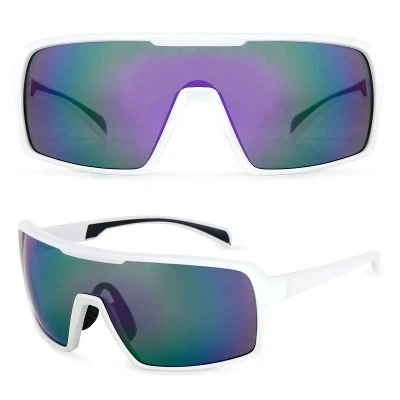
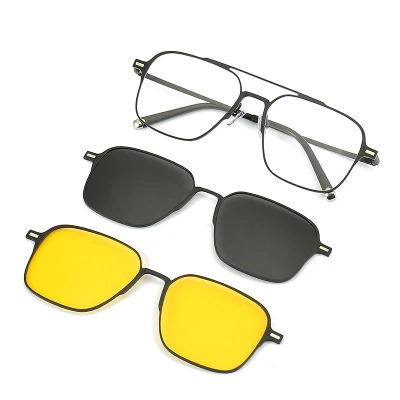
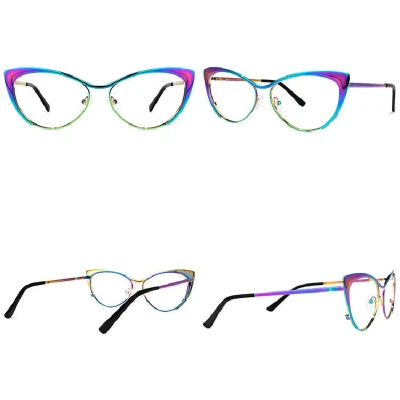
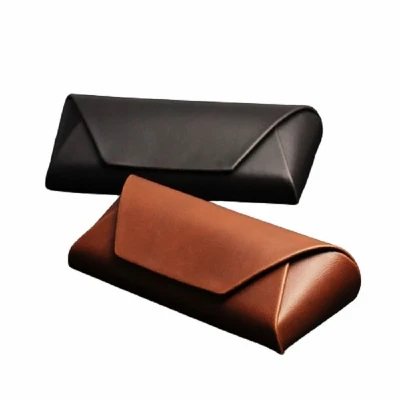
Sunglasses
Why Choose Us
Our Certificate
SGS,FDA,CE, ISO 12312-1:2015,ANSI Z80.3:2015 ,AS/NZS 1067:2009 certification.
Competitive Price
We have a professional purchasing team and costing team, trying to reduce costs and profits, and provide you with a good price.
Production Equipment
We have devoted amount of resource for maintain and keep our equipment in the best state for our customers.
Our Service
We guarantee after sales 2 year more Confidentiality agreement. Full refund agreement.
Sunglasses, also known as sunglasses or sunglasses, are goggles designed to protect the eyes. The lenses are often black or dark-colored to prevent the sun from irritating the eyes. At the same time, sunglasses have a lifespan and need to be inspected regularly.


Reduce Eye Strain
Eye strain can be very uncomfortable. It can cause severe headaches, blurry vision, and fatigue. Eye strain commonly starts with extended exposure to bright sunlight. Our pupils work hard to limit how much sun gets into our eyes, so the more we go back and forth between bright and less sun, the more our eye muscles get stressed. You can help prevent your pupils and eyes from being overworked and developing eye strain symptoms by wearing effective sunglasses.
Skin Cancer Prevention
One of the best ways to prevent skin cancer is to use sunscreen. And we always recommend sunscreen on your face and the sensitive area around your eyes. Not correctly protecting this area can cause skin cancer and sunburn. By wearing properly fitting sunglasses, you can better your protection from the sun. They should completely cover your eyes and the surrounding areas.
Debris Protection
Getting debris in your eyes, such as dirt, rocks, dust, and even bugs, can cause severe discomfort and irritation. Wearing sunglasses is the best way to keep all that out of your eyes. They are also the best solution for keeping the wind from hitting your eyes. Getting hit by wind can lead to eye irritation, watery eyes, and red eyes. No matter the season, you can get obscured vision from debris and wind. It's essential to wear sunglasses year-round!
Block Out Glare
Glare can both be a nuisance and a severe problem. It can make our eyes uncomfortable and cause temporary blindness. We typically get glare from windows, mirrors, screens, and pavement. It can affect us while watching TV, driving, outside, or simply sitting and relaxing. It's crucial to avoid glare when driving. Since glare can cause temporary blindness, it can be dangerous to drive without sunglasses.
Show Off with Sunglasses
Show off your style and personality with a great pair of shades. So not only can you keep your eyes safe, but you can make a fashion statement too. With all the lens colors, frames, and designs, you'll find a pair that fits your style and wardrobe. No matter what kind of style you're looking for, you will find a pair of sunglasses that completely meets your needs.
What are the Applications of Sunglasses
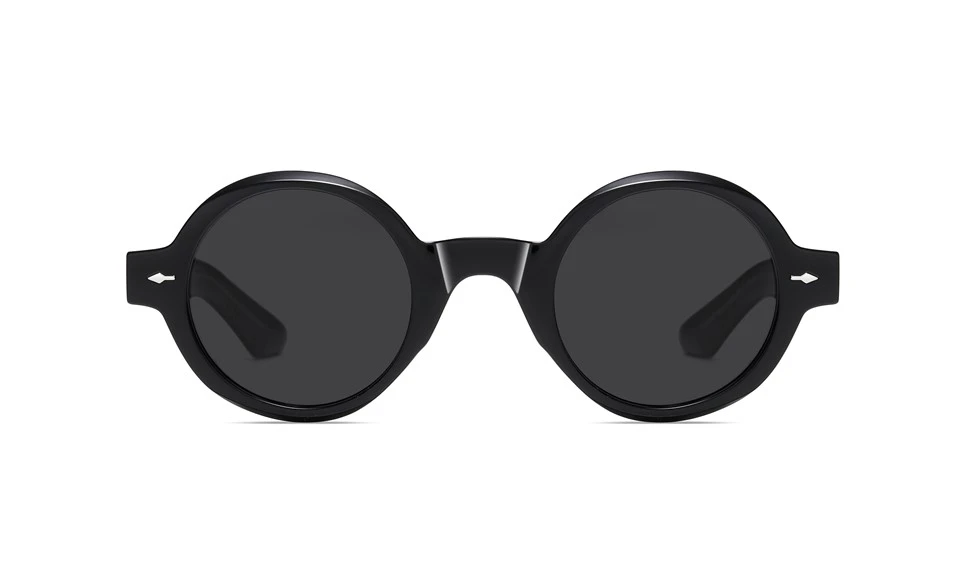
Water Activities
In water sports venues such as beaches and swimming pools, your eyes are susceptible to ultraviolet damage due to the impact of sunlight reflection and refraction. At this time, wearing a pair of sunglasses can effectively protect your eyes.
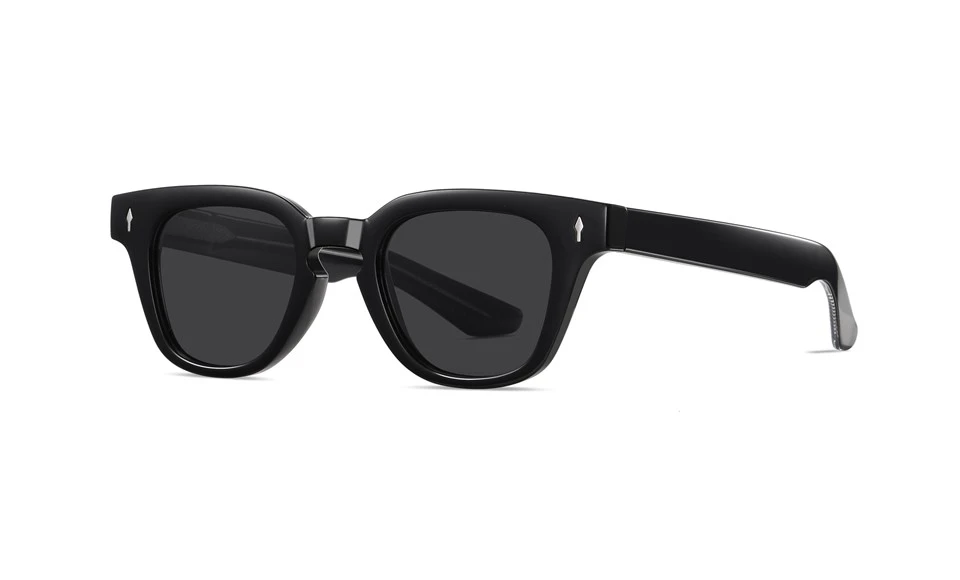
Motorcycle and bicycle riding
While riding, your eyes are easily damaged by wind, sand and small insects. In addition, strong sunlight can easily cause visual impairment. Therefore, it is very necessary to wear a pair of sunglasses that are resistant to UV rays and wind and sand.
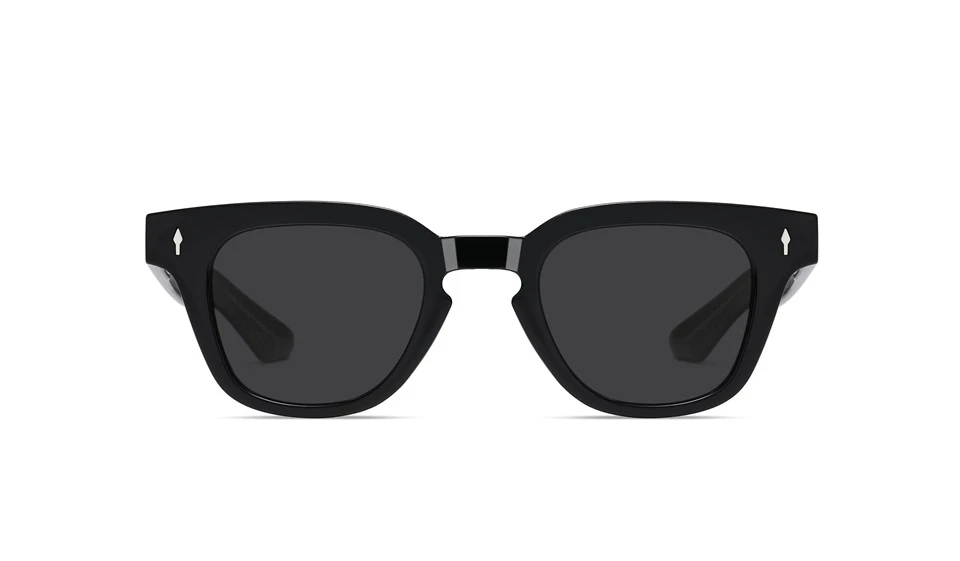
Alpine hiking
In mountaineering, sun reflection and altitude can also easily cause eye damage. Wearing sunglasses with UV protection and wind and sand protection can effectively reduce eye damage.
Travel by car
When driving, sunlight reflection and strong light can easily cause dizziness and visual fatigue to the driver, thus affecting driving safety. Wearing a pair of sunglasses with driving lenses can effectively reduce this phenomenon.
Types of Sunglasses
Rectangle Sunglasses
For a classic, more sophisticated shape, you can always rely on the rectangle frame. Rectangle sunglasses have lenses that are more wide than tall, with corners that can be either sharp or rounded. Because so many styles of sunglasses have lenses that skew larger and rounder than regular glasses, rectangle sunglasses can read as classy and understated.
Square Sunglasses
Square sunglasses show off big, blocky lenses with even sides. Despite its name, this sunglass style doesn't have to be super angular—its corners are often soft, the perfect complement to its bold shape. All the fashion icons know: it's hip to be square. (Sorry, we truly couldn't resist.)
Round Sunglasses
Although they were popularized by John Lennon and the bohemian crowd, round sunglasses are more versatile than their origins suggest. You can play up the vintage look with thin, round frames, or you can opt for a more contemporary statement with thicker lines.
Cat-Eye Sunglasses
The cat-eye shape seems tailor-made for sunglasses. When you combine the mystique of tinted lenses with those upswept corners and a colorful frame, you get sunglasses that can't be ignored. However, if you're feeling stylish yet subtle, you can browse this type of sunglasses with thinner rims.
Aviator Sunglasses
Aviators have come a long way from their roots as sunglasses meant for pilots. Today, everyone can appreciate their commanding size and distinct teardrop-shaped lenses. This style often pairs a colorful tint with a sleek metal frame, and its broad lenses provide ample sun protection.
Browline or Clubmaster Sunglasses
Another retro sunglasses style, browline or clubmaster sunglasses made a big splash in the '50s. Their design focuses on bold brows with minimal (or absent) lower rims, and lends the wearer a distinguished edge.
Glass Lenses
Relatively thick, heavy glass lenses deliver high-level optical clarity. They are also resistant to scratches. However, glass lenses can quickly be shattered or chipped. Besides, these lenses require an extra coating to reach the 100% UV protection threshold.
High-index Plastic Lenses
These high-tech lenses are very lightweight and will be thinner than comparable glass lenses. Most high-index lenses have 100% UV protection built in. Because the lens material is relatively soft and very reflective, these lenses require scratch-resistant and anti-reflective coatings.
Polycarbonate Lenses
Highly impact-resistant polycarbonate lenses are 100% UV protective, and they're lighter and thinner than every other lens type. However, polycarbonate lenses need a scratch-resistant coating in addition to a coating that decreases the lenses' reflective characteristics.
Polarized Lenses
By minimizing light reflection and glare, polarized sunglasses make colors appear brighter and more saturated. They can also make it easier to see objects below the surface of a lake or stream. The optometric lab can easily add polarization to the lens during the fabrication process. Note that polarized sunglasses can interfere with viewing LCD screens like those on many car instrument panels and smartphones. They are also not recommended when you are navigating on icy roads.
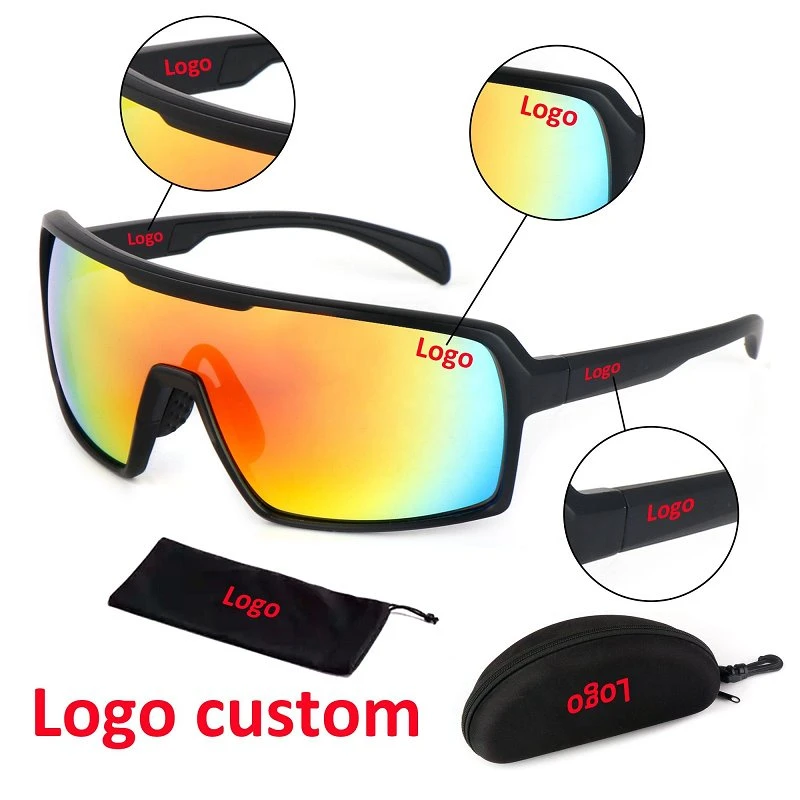
How to Choose Sunglasses
UV Protection
Sunglasses should have 100 percent protection from both UVB and UVA rays. Although UVB is known to be more harmful to skin and eyes, doctors suggest to avoid both types of rays. The lenses should also block UV wavelengths up to 400 nanometers.UV protective sunglasses with scratches should be replaced or repaired, as the damage to the protective coating can let in UV rays. UV protection is especially important for children and teens. “The eyes of people under 18 absorb more UV rays than adults do,” says Fuller. “Eighty percent of one's lifetime exposure to UV rays happens before the age of 18.”
Size
Larger frames cover a greater area of the face, thus providing more protection for the skin and eyes. Sunglasses with wraparound lenses can be beneficial for blocking rays coming from the sides.According to Fuller, correctly fitted glasses are one of the most important aspects of choosing sunglasses. “You want to have a close fit to the face,” she says. “Ideally, you want wraparound sunglasses to block out as much light as possible.”
Color
Because the UV protective coating is clear, darker lenses are not necessarily more beneficial than lighter lenses. However, the tint of the glasses can be more suitable for certain settings. While gray-tinted glasses reduce overall brightness without color distortion, amber lenses work best in conditions with lower light settings and can enhance depth perception.Your preference of tint, however, might be more related to your eye color. “Blue-eyed people who have higher sensitivity to light tend to lean toward gray lenses because they block out more visible light,” Fuller says, “Brown-eyed people tend to lean towards brown lenses so they don't have to take their glasses on and off as frequently.”
Quality
Sunglasses that provide no UV protection can actually make eyes more vulnerable to damage. The dark lenses without UV protection block visible light, which makes the pupils dilate. Without UV protection, even more harmful UV rays can enter the eyes through the dilated pupils, even if you feel like you are protected. “Polarized sunglasses offer the greatest UV protection, blocking out all horizontal UV rays,” Fuller explained.
Sunglasses Features
Ultraviolet Protection
The amount of UV blockage is the priority consideration when looking for a pair of sunglasses. Studies show that prolonged exposure to UV rays may lead to the development of various eye conditions. UVA rays, in fact, are usually linked to cataracts, retinal damage and even macular degeneration.Meanwhile, UVB rays are major causes of keratoconjunctivitis and corneal sunburn. This is why your expert optometrist suggests looking for the label 100% UV Protection or UV 400 when buying your sunglasses. This means they can filter up to 400 nanometers of UV rays, providing you complete UV protection.
Lens Size and Color
When choosing your sun eyewear, the bigger, the better. Apart from being a great fashion statement, oversized sunglasses are also practical and functional. They offer greater visual coverage, preventing UV rays from easily penetrating your eyes.Most of the time, individuals choose darker lens tints, thinking it provides better UV blockage. According to your reliable eye doctor, this is actually a common myth surrounding sunglasses. The lens color only affect color contrast. Their UV protective features, however, still depend on their underlying technology.
Frame Type
Wraparound frames take a semi-circular form, allowing them to curve around your head. This panoramic frame design gives you better peripheral vision, while restricting UV rays from entering your eyes through the sides.If you need help looking for the perfect eye sun wear, call us at (610) 813-2988 to schedule an appointment. We serve various PA areas, including Lafayette Hill, Norristown and Philadelphia.
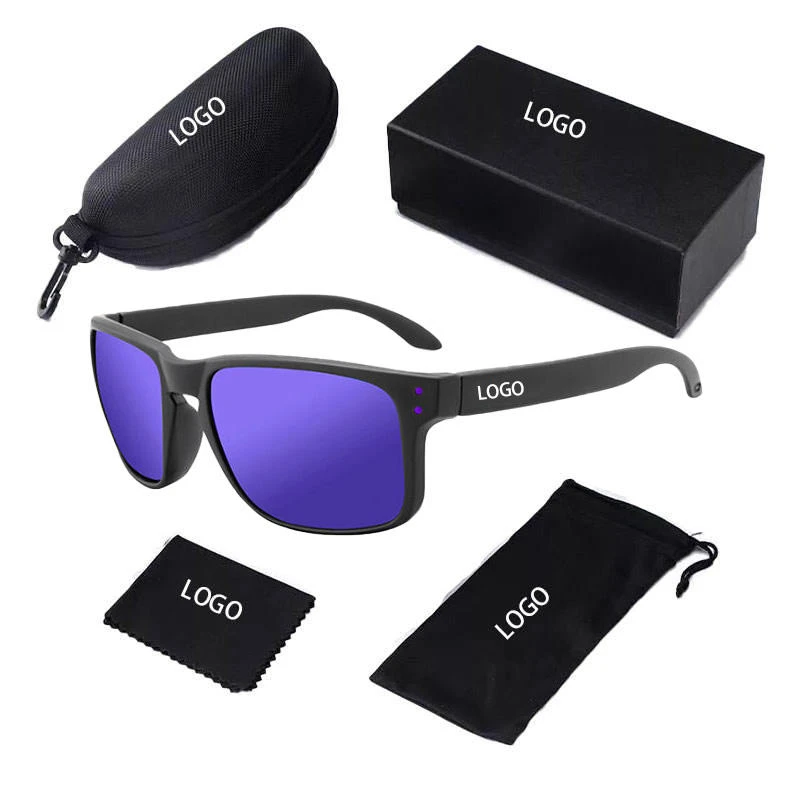
Frame Construction
High-quality sunglass frames are made from durable, commonly available materials. Lightweight plastic frames shouldn't slide down your face, and they are well-suited to different types of lenses. Metal frames add a distinctive touch to wire-rimmed sunglasses.
Lens Types
If you're in the market for quality sunglasses, you may have already made your sunglass frames selection. To determine which lenses are right for you, an optometrist will conduct a thorough eye exam.
Prescription Sunglasses
If you don't have 20/20 vision, prescription sunglasses present a stylish solution that combines vision correction with protection from the sun. An optometric lab will fabricate the glasses using your chosen frame style and the prescription information from your eye exam. When delivered, your prescription sunglasses will provide an eyewear solution along with an impressive fashion statement.
Non-prescription Sunglasses
If you don't need vision correction, you're a candidate for non-prescription sunglasses. Also called plano sunglasses, these shades aren't used to correct your vision. However, wearing plano sunglasses is a great way to keep your eyes safe from the sun's harmful rays while accessorizing your wardrobe. Choose a style that compliments the shape of your face, fits your lifestyle and matches your personality.
How to Maintain Sunglasses
Protect Your Sunglasses From Scratches
Glass lenses are more resistant to scratching than polycarbonate lenses, but whether your lenses are plastic or glass, it's important to store your sunglasses in a case. Don't just drop sunglasses in a purse, laptop or messenger bag, or shove them in your pocket. Your sunglasses are likely to get scratched by keys, pens or rough denim fabric.A hard case is ideal, says airline pilot Steve Arbetman, who owns Flight Sunglasses. “If you don't like carrying a hard case, at least put them in a microfiber pouch,” Arbetman says. “That will still protect your glasses and can double as a cleaning cloth.”
Get Smudges Off Your Sunglasses
Sunglasses are prone to smudges and grime — they pick up oils from our skin and fingers, specks of dirt and grime from the great outdoors, the residue of makeup, and a film of salt or chlorine from the ocean or pool.To smooth away smudges, you should clean your shades every week or two, Tibbs says, and in the summer, “you may need to clean them almost every day.”
Avoid Harmful Cleaners
You should not use rubbing alcohol, Windex, vinegar or any other household cleaner on your glasses.Don't breathe on your sunglasses and then wipe them, either.“Use an approved lens cleaner,” Tibbs says. Only use a microfiber cloth especially made to clean glasses. If the cloth gets dirty, you can either launder it or buy a new one.
Don't Leave Your Sunglasses In The Car
Never place your sunglasses on the dashboard, where heat is particularly intense, and take them with you when leaving the car parked on hot days.“Extreme heat can be generated by the windshield of your car, particularly in summer,” Arbetman says. “That heat can actually cause the lens of your sunglasses to delaminate.” The mirroring and anti-reflective coatings on the lenses may actually degrade.
Our Factory
Yiwu Shansha, located in yiwu, China.Established in the year 2000, is one of manufactures in yiwu City. Specially handle business in optical , Sunglasses,Reading Glasses industry field. Our main products line includes metal optical frames, metal sunglasses Hand-made acetate optical frames ,Acetate Sunglasses, TR90 Optical frame & TR90 sunglasses, Reading glasses and ect. We've passed ISO9001 International Quality Certificate System, CE.SGS and FDA.We have our own design team,Each month have many new design for you!FC OPTICS- Your reliable partner for fashion eyewear !



Certificate


FAQ
Q: Is it OK to buy cheap sunglasses?
Q: What type of sunglasses are best for eyes?
Look for sunglasses that offer 100% UV protection from all UV light (UVA and UVB) or 100% protection against UV 400. If you are uncertain about an older pair of sunglasses, check the level of protection they offer by taking them to an optical shop with a UV light meter.
Q: Do expensive sunglasses make difference?
Q: What color polarized lens is best?
Q: How can you tell if sunglasses are good quality?
Q: Are expensive polarized sunglasses worth it?
Q: Why do people buy expensive sunglasses?
Designer sunglasses can offer better protection from the sun's harmful UV rays than other forms of eye protection. In fact, many designer sunglasses have built-in UV filters that can help protect your eyes from long-term damage like cataracts and macular degeneration.
Q: Do more expensive sunglasses protect your eyes better?
Q: Which color sunglasses is better?
Q: Do eye doctors recommend sunglasses?
Q: What is the most important feature to look for in sunglasses?
Sunglasses should have 100 percent protection from both UVB and UVA rays. Although UVB is known to be more harmful to skin and eyes, doctors suggest to avoid both types of rays. The lenses should also block UV wavelengths up to 400 nanometers.
Q: What is special about sunglasses?
Q: Which is best polarized or UV protection sunglasses?
Q: Are polarized sunglasses better?
Q: What are the requirements for sunglasses?
Q: Why are sunglasses attractive?
Q: Why expensive sunglasses are better?
Q: Do sunglasses make a difference?
Q: Are there different qualities of glass lenses?
Q: What category sunglasses is best?
As one of the leading sunglasses manufacturers in China, we warmly welcome you to wholesale bulk Chinese sunglasses from our factory. All customized products are with high quality and competitive price.
Night Driving Sunglasses, Cycling Glasses, All Plastic Glasses Frames